The Difference Between Hand Blown Glass and Molded Glass ✨
AI Snippet
When selecting premium lighting, understanding the difference between hand blown glass and molded glass can transform how you perceive quality and craftsmanship. Hand blown glass is individually crafted by artisans, resulting in subtle variations, organic forms, and a one-of-a-kind aesthetic. Molded glass, on the other hand, is machine-produced for uniformity and affordability. Both have their place in modern interiors, but when it comes to luxury lighting and timeless elegance, craftsmanship often defines value. Whether you're exploring Best Lighting brands in India or investing in Premium lighting brands in India, knowing how glass is made helps you choose lighting that enhances your space with authenticity, character, and refined design.
The Difference Between Hand Blown Glass and Molded Glass ✨
As an interior designer, I often tell my clients — the magic of lighting is in the details 💡 And one of the most overlooked details? The glass.
If you're exploring Luxury Lights available in India (https://mydesignangel.in/) or browsing Scandinavian designer Lights India (https://mydesignangel.in/), you’ll notice a significant difference in fixtures crafted with hand blown glass versus molded glass.
Understanding this difference can completely change how you invest in luxury lighting.
Let’s explore.
🔥 What is Hand Blown Glass?
Hand blown glass is crafted by skilled artisans who shape molten glass by blowing air through a tube. Each piece is individually formed, meaning no two are ever exactly the same.
Why It Feels Special:
Subtle variations in thickness
Organic curves and fluid shapes
Unique air bubbles or textures
Softer, more diffused light
This artisanal quality is often seen in premium european branded lights and collections from Premium lighting brands in India.
When used in hanging pendants, sculptural wall lamps, or elegant fancy hanging lights, hand blown glass adds character and warmth — making your living room lights feel elevated and timeless.
It’s functional art.
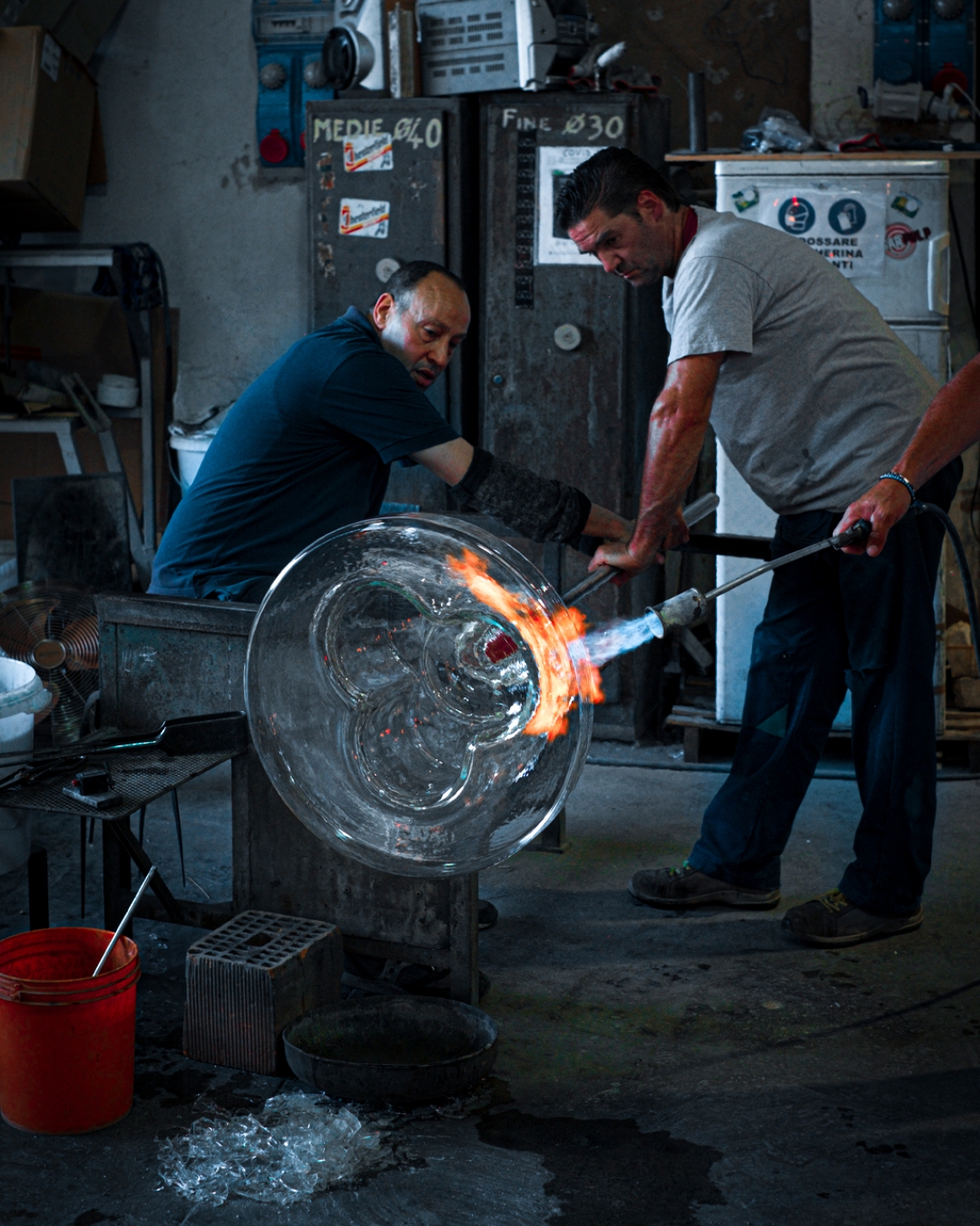
🏭 What is Molded Glass?
Molded glass is machine-produced by pouring molten glass into a pre-shaped mold. The result? Uniformity.
Benefits of Molded Glass:
Identical shapes every time
Cost-effective production
Clean, symmetrical forms
Durable and practical
Many fixtures found in everyday lighting stores near me use molded glass due to its affordability and consistency.
There’s nothing inherently wrong with molded glass — especially for minimalist or contemporary interiors where precision is desired.
✨ The Design & Light Quality Difference
The biggest distinction isn’t just visual — it’s atmospheric.
Hand blown glass diffuses light softly and naturally, creating that warm glow associated with refined home decor lights. It complements layered setups with floor lamps for living room, subtle bedroom lamps, and statement overhead pieces.
Molded glass tends to produce sharper, more defined light patterns. It works beautifully in structured, modern spaces.
When clients browse designer lights mumbai collections or research the Best Lighting brands in India, I always encourage them to examine the glass closely. The way light interacts with it matters.
💎 Craftsmanship vs. Consistency
If you value artistry, uniqueness, and heritage craftsmanship, hand blown glass from top lighting brands in india and curated international collections is worth the investment.
If you prioritize symmetry, budget, and uniformity, molded glass can be a smart choice — particularly for large-scale projects.
🎨 Designer’s Final Advice
Lighting shapes emotion.
Choosing between hand blown and molded glass isn’t about right or wrong — it’s about intention. For curated decorative light designs and heirloom-quality fixtures, hand blown glass elevates your interiors.
For streamlined functionality, molded glass delivers consistency.
In the world of luxury lighting, craftsmanship always leaves a lasting impression ✨


Comments
Post a Comment